
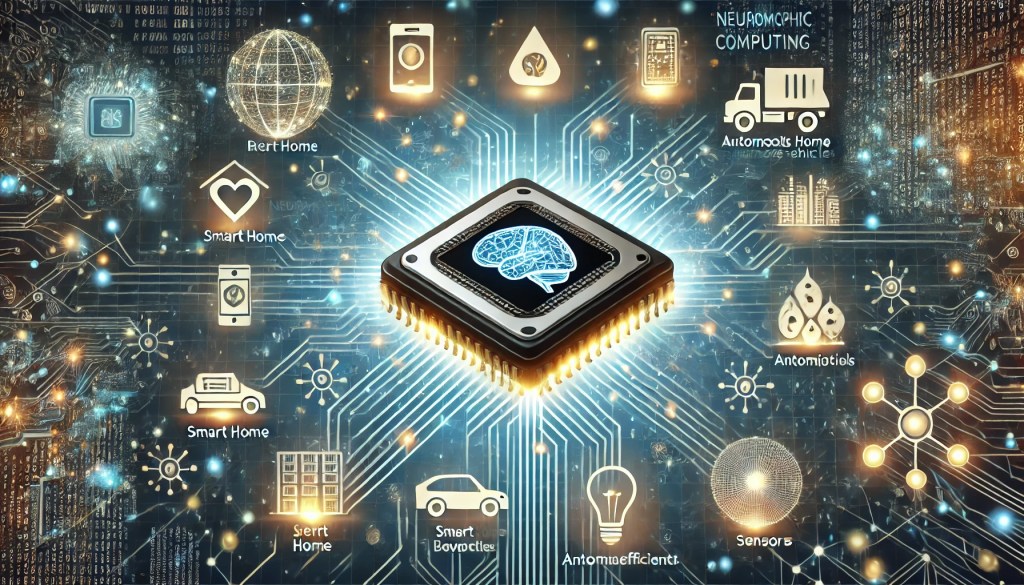
- Neuromorphic Computing Revolution: Neuromorphic processors mimic biological brains, offering significant energy and computational efficiency.
- Real-World Applications: Innatera’s Spiking Neural Processor T1 showcases advantages in edge computing for devices like smart home systems and autonomous vehicles.
- Industry Impact and Future Prospects: Strong industry interest and investment highlight the potential of neuromorphic computing to revolutionize AI hardware.
Impact
- Energy Efficiency Breakthroughs: Neuromorphic chips like Innatera’s T1 can drastically reduce energy consumption, making AI applications more sustainable.
- Enhanced AI Capabilities at the Edge: These processors enable continuous, real-time AI processing in battery-powered devices, enhancing functionality without sacrificing efficiency.
- Privacy-Preserving Technologies: Non-imaging sensors combined with neuromorphic chips offer advanced features like human presence detection while maintaining privacy.
- Broad Industry Adoption: The potential for rapid integration and high industry interest suggests neuromorphic computing could become a standard in AI hardware.




Leave a comment