
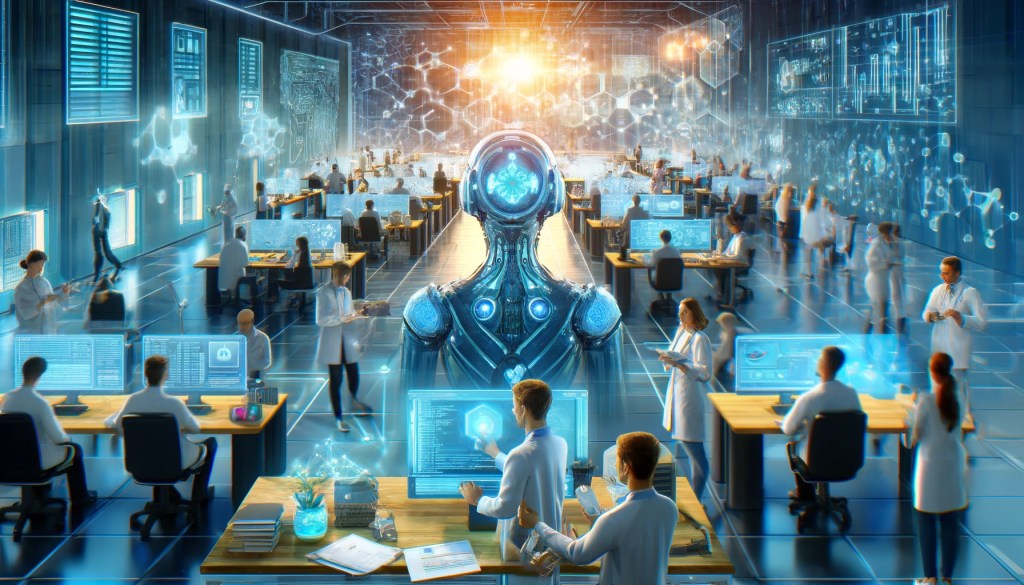
- Generative AI Evolution: Transition from retrieval-augmented generation (RAG) to agent-based systems, enabling complex, multi-step AI tasks.
- Enhanced Model Capabilities: New embedding models and vector databases expand LLM capabilities, processing up to 1 million tokens for comprehensive information retrieval.
- Agent Systems: Multi-modal, agent-based systems leverage reasoning engines and AI-enabled tools to execute complex workflows autonomously.
Impact
- Complex Task Execution: Agent-based systems enable more flexible and complex AI solutions, integrating multiple AI tools and reasoning engines.
- Expanded AI Capabilities: Enhanced embedding models and vector databases improve the processing and retrieval of extensive information.
- Industry Applications: Applications in healthcare, programming, and more demonstrate the potential for AI to handle intricate, multi-step tasks autonomously.
- Cost and Efficiency: Optimizing AI systems for performance and cost-efficiency remains crucial, integrating advanced hardware and optimization techniques.
- Future of AI: Organizations must focus on achieving high-quality outputs quickly and affordably, partnering with experts to stay ahead in the rapidly evolving AI landscape.



 Eksentricity
Leave a comment