
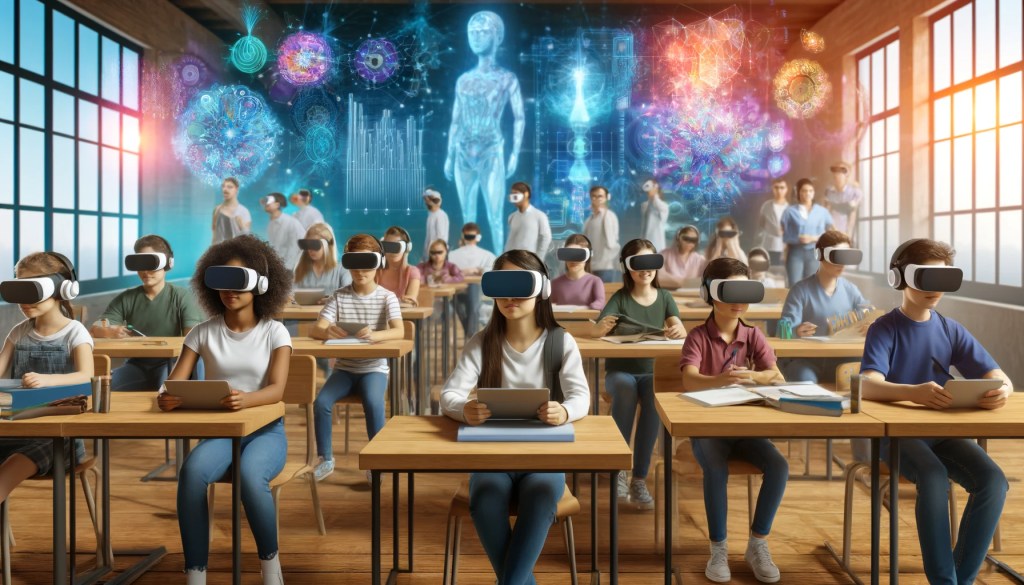
- Educational Challenges and AI: Emphasizes the importance of educating students about the algorithms behind AI to empower them, highlighting the need for transparency in AI education.
- Bias and Diversity in AI Development: Stresses the need for AI inputs to reflect societal diversity and complexity, acknowledging the challenge of biases in AI mirroring societal biases.
- AI’s Impact on Art and Work Efficiency: Notes how AI tools could have significantly reduced the production time of a film from seven years, illustrating AI’s potential to enhance creative industries and work efficiency.
Impact
- Potential for Educational Transformation: AI can revolutionize how we educate, making learning about technology more transparent and accessible.
- Increased Investment in Diverse AI Development: Recognizing biases in AI could drive increased investment in more diverse and ethical AI development.
- Boost in Creative Industries: The adoption of AI in creative fields like filmmaking can significantly speed up production processes and reduce costs.
- Shift in Work Paradigms: AI might lead to reimagined work structures, such as changes in work hours and employment models, affecting labor markets.
- Regulatory Focus on Equity and Access: The potential societal impacts of AI could prompt regulators to focus more on ensuring equitable access and preventing misuse.



Leave a Reply