
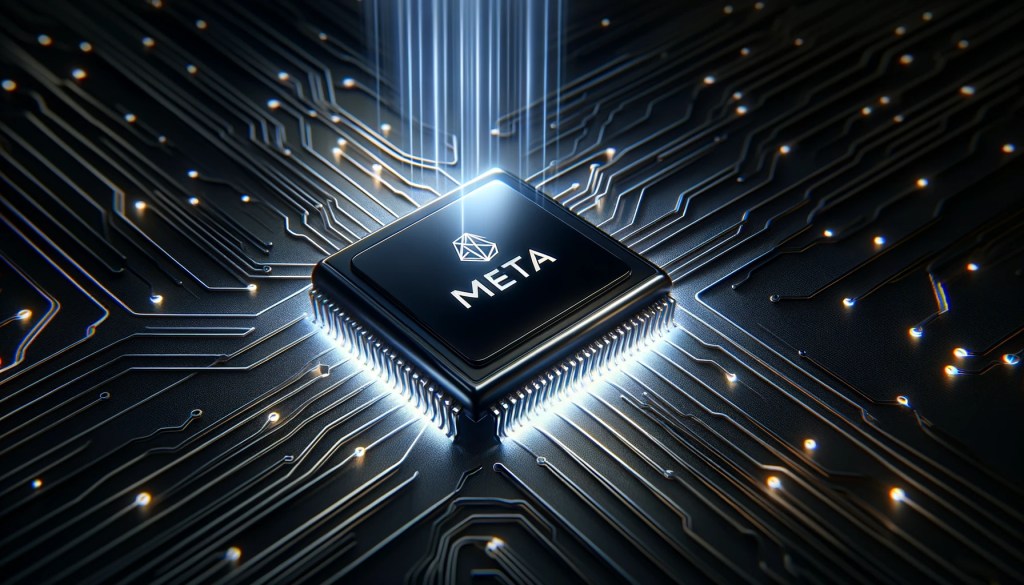
- Meta’s Next-Generation MTIA Chip: Promises faster training for ranking and recommendation models, aiming to eventually support generative AI model training like Llama language models.
- Technical Advancements and Production: The new MTIA chip boasts significant improvements in compute, memory bandwidth (256MB on-chip, 1.3GHz) over its predecessor, and is already in production, ahead of the 2025 schedule.
- Comparative Performance and Industry Context: Early tests show the new MTIA chip is three times more efficient than its predecessor, highlighting Meta’s competitive edge in an industry where Google, Microsoft, and Amazon also develop custom AI chips.
Impact
- Elevates Meta’s Position in AI Tech: Positions Meta as a front-runner in AI hardware, potentially attracting more partnerships and talent focused on AI development.
- Could Lower AI Operational Costs: More efficient chips mean faster training and lower energy consumption, reducing costs for AI model development and operation.
- Intensifies Competition Among Tech Giants: Sets a new benchmark for AI chips, compelling Google, Microsoft, and Amazon to accelerate their AI hardware innovations.
- Expands the Scope of AI Applications: By supporting generative AI training, Meta could enable new AI capabilities, influencing the evolution of social media, virtual assistants, and more.
- Bolsters AI Accessibility and Development: Improved chip performance and efficiency could democratize AI model training, fostering innovation across smaller companies and startups.



 Eksentricity
Leave a comment