
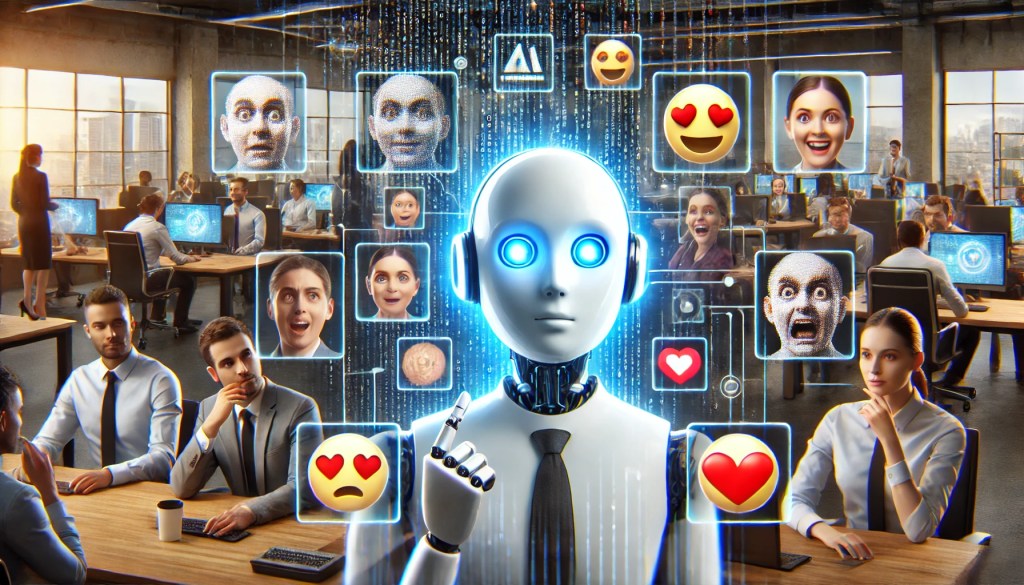
- Rise of Emotion AI: Emotion AI, a more advanced form of sentiment analysis, is gaining traction in business software to help AI better understand human emotions during interactions.
- Technological and Ethical Concerns: While companies like Microsoft and Amazon offer emotion AI services, concerns arise about its effectiveness and ethical implications, as human emotions may not be accurately detected by AI.
- Regulatory Challenges: The future of emotion AI could be impacted by regulations like the EU’s AI Act, which restricts the use of emotion detection in certain areas, potentially limiting its adoption.
Impact
- Business Integration: Emotion AI is poised to be integrated into various business applications, potentially enhancing customer service and sales interactions.
- Startup Growth: A wave of startups is emerging, focusing on developing emotion AI technologies, attracting significant venture capital investments.
- Ethical Debate: The effectiveness and ethical implications of emotion AI are under scrutiny, particularly concerning privacy and the accuracy of emotion detection.
- Regulatory Impacts: Laws such as the EU’s AI Act may restrict the use of emotion AI, affecting its deployment in specific industries like education.
- AI Workforce Evolution: As businesses explore emotion AI, the technology’s limitations may lead to mixed outcomes in AI’s role within the workforce, potentially leaving it less effective in tasks requiring emotional intelligence.


 Eksentricity
Leave a comment